How Design of Experiments Improves Immunoassay Development
A streamlined, document-based workflow that reduces meeting time and maximizes clarity.
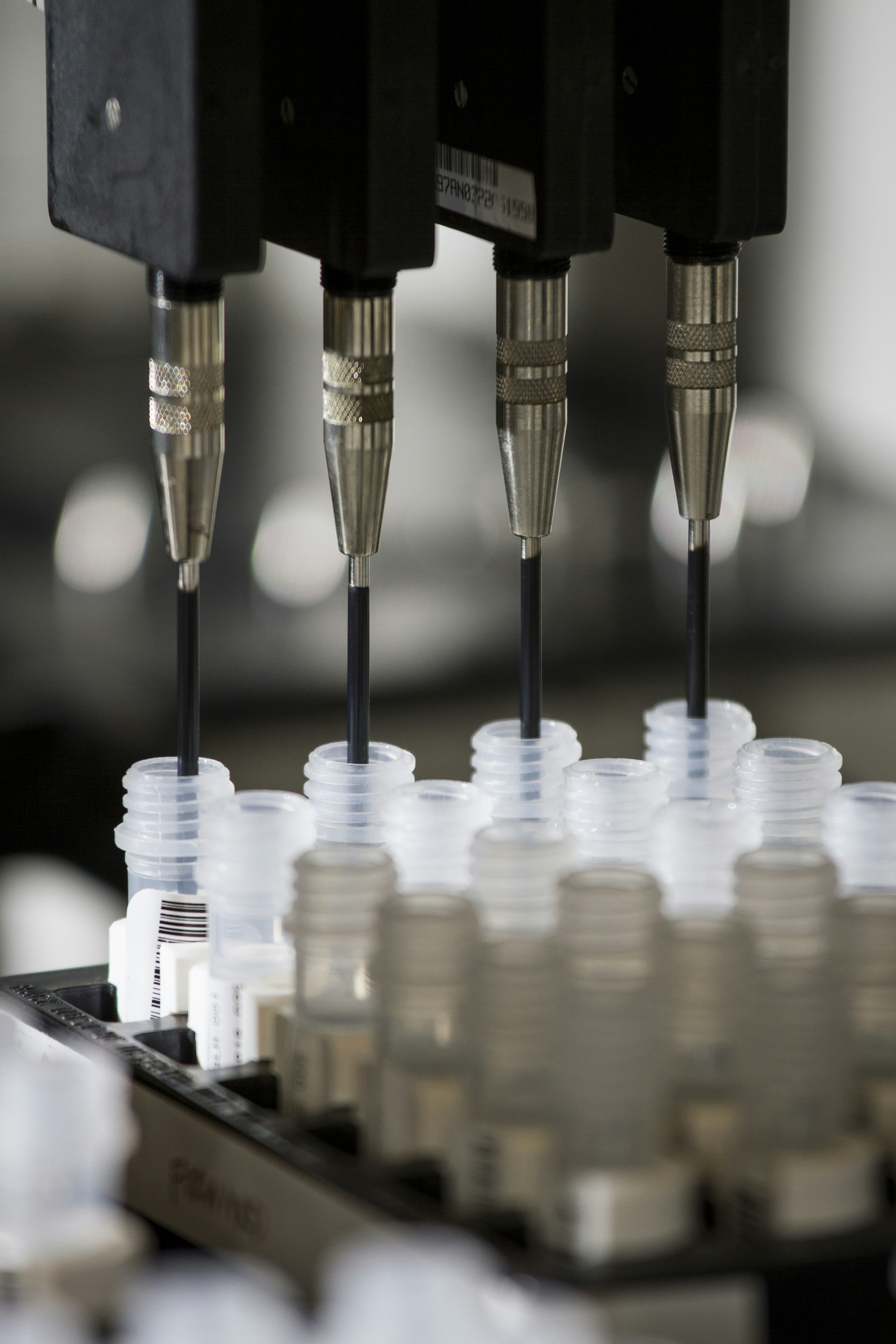
DOE Methodology in Action
Design of Experiments isn't just about statistics; it's about efficient learning. In the context of ELISA optimization, we use DOE to screen multiple reagents simultaneously. This allows us to see how your capture antibody interacts with your detection antibody and sample matrix—something standard protocols miss.
Whether you are in early development or performing robustness testing for validation, our structured approach ensures you gather maximum information from every plate.
Submit Assay Background
Complete our intake form with your assay type, development stage, current protocol, and optimization objectives. Include any preliminary data or known challenges.
- Assay format and detection method
- Current protocol parameters
- Performance issues or optimization goals
- Timeline constraints
Technical Review
We review your protocol, identify critical factors, assess feasibility, and determine the most appropriate DOE approach for your specific situation.
- Variable identification and prioritization
- Design strategy selection
- Practical constraints evaluation
- Scope and timeline confirmation
DOE Design & Experimental Plan
Receive a complete experimental design matrix with recommended factor levels, run order, and implementation guidance. Includes design rationale and expected outcomes.
- Experimental matrix with all factor combinations
- Randomized run order
- Factor level justifications
- Response variable specifications
Written Interpretation & Next Steps
After you execute the experiments, submit your results. We provide written analysis, interpretation, recommendations, and guidance for next optimization phases if needed.
- Main effects and interaction analysis
- Optimal conditions identification
- Robustness assessment
- Recommendations for follow-up work
Why This Model Works
Reduces Meeting Time
No scheduling overhead or time zone coordination. Review recommendations on your timeline and respond when it makes sense for your schedule.
Increases Clarity
Written documentation ensures nothing is lost in translation. You have clear records of design rationale, experimental plans, and interpretation guidance.
Focused Expertise
Get a targeted DOE package without the overhead of open-ended engagements. Pay a fixed price for the specific experimental design work you need.
Iterative Refinement
Multi-phase optimization programs allow you to screen factors, refine conditions, and validate robustness in systematic stages with clear checkpoints.